Climate Risk: A Strategic Framework for Operational Resilience
— by
Steven Haynes
{
“title”: “Climate Risk: A Strategic Framework for Operational Resilience”,
“meta_description”: “Climate change is no longer just an environmental concern; it is a critical variable in operational strategy, supply chain stability, and long-term asset management.”,
“tags”: [“climate risk”, “operational strategy”, “supply chain resilience”, “risk management”, “business continuity”, “sustainability”],
“categories”: [“Business”, “Geology / Earth Science”],
“body”: “
The New Reality of Environmental Volatility
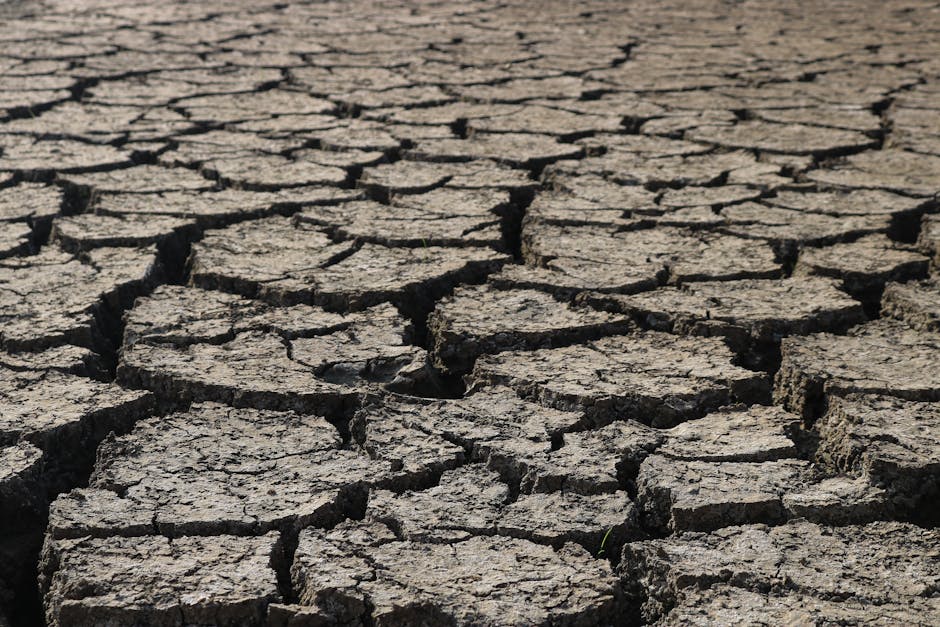
Predictability is the lifeblood of effective strategy. For decades, leaders operated under the assumption that the climate was a constant—a static background variable that permitted long-term forecasting with high confidence intervals. That era has ended. As planetary shifts accelerate, the natural world has become a primary driver of operational disruption, forcing a fundamental redesign of how organizations perceive risk and allocate capital.
Reframing Ecological Impact as Operational Debt
Most organizations treat ecological changes as external factors or regulatory annoyances. This is a tactical error. When a supply chain is fragile, climate events function as the ultimate stress test. An unhedged dependence on a single climate-vulnerable region is not just a geological oversight; it is a failure of operations. To maintain high performance, leaders must quantify climate risk using the same rigor applied to market volatility or cybersecurity threats.
Operational resilience requires decoupling production from the most volatile environmental variables. This often involves decentralized logistics networks that provide redundancy, or investing in modular systems that can adapt to rapid shifts in resource availability. By integrating environmental forecasting into decision-making frameworks, firms transition from reactive damage control to proactive stability.
The Leverage of Predictive Data
The ability to anticipate environmental shifts provides a decisive competitive advantage. Modern AI models can now ingest vast, high-resolution geospatial datasets to simulate the impact of extreme weather events on critical infrastructure. Smart operators utilize these models to stress-test their supply chains, identifying bottlenecks before they manifest during an crisis. This is not about saving the planet in the abstract; it is about protecting the P&L from the specific, quantifiable realities of a changing Earth.
Ignoring these signals is a choice to accept unpriced risk. Organizations that treat climate data as an essential business intelligence feed are better equipped to make informed bets on asset locations and logistics partners. True leadership in this domain is measured by the ability to remain operational when others are forced into unplanned downtime.
Long-Term Value Preservation
Capital markets are increasingly factoring environmental stability into asset valuations. A failure to build robust systems capable of absorbing environmental shocks can lead to a rapid erosion of market confidence. Investors now look for clear evidence of transition planning and risk mitigation, viewing companies that ignore these macro-trends as fundamentally mismanaged. For more on the future of organizational structure and institutional growth, see The BossMind Network.
Strategic Execution for the Decade Ahead
Operational excellence now includes the ability to absorb systemic environmental shocks. This involves a shift from static efficiency toward dynamic, redundant architectures. As we observe broader industry movements, it is clear that those who adapt their operational logic to account for climate volatility will secure the market position that others will inevitably forfeit.




Leave a Reply